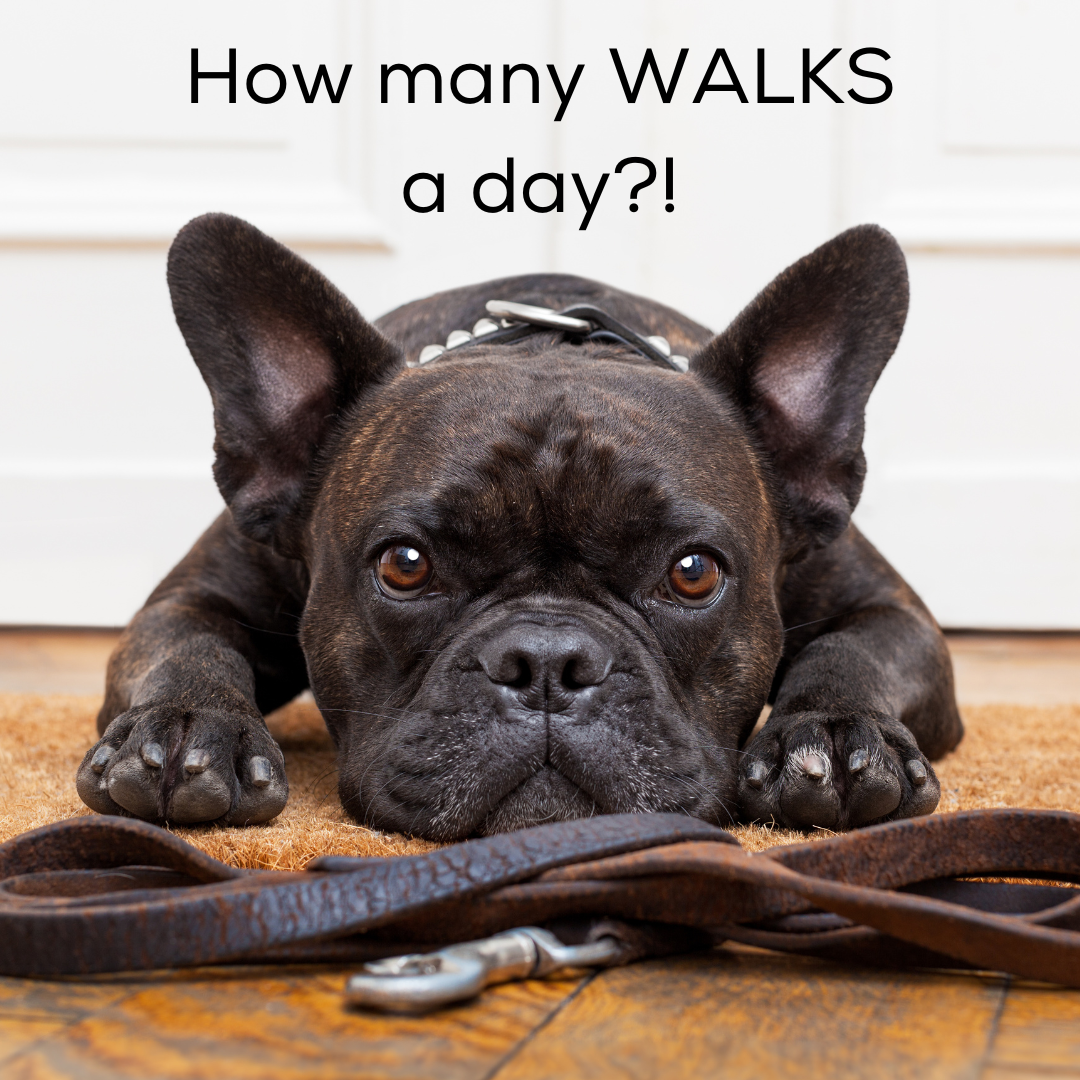
Many dogs enjoy several walks a day, but the right amount depends on breed, age, size and where you live. There is no single number that suits every dog. This guide helps first-time pet parents think it through, build a routine that works in an Indian city, and read what their own dog is telling them. For advice specific to your own dog, speak to your veterinarian.
What affects how much walking your dog needs
-
Breed: working and sporting breeds usually want more activity.
-
Age: younger dogs tend to have more energy than seniors, even in the same home.
-
Size: small dogs often need less than large, active ones.
-
Your home: in a small apartment you may need to step out more often. With a large yard, your dog has more room to burn energy.
-
Personality: two dogs of the same breed can still be very different. Some are always on the move, and some are happy snoozers.
High-energy breeds
Golden Retrievers, Australian Shepherds, Terriers, Labradors and Border Collies usually need more than one good walk or play session a day. These dogs are happiest when they have a job, such as fetch, a scent game or a training session. Without outlets, energetic dogs often invent their own fun, like chewing chappals or barking at the lift.
Lower-energy breeds
Mastiffs, Great Danes, Bulldogs, Newfoundlands and many toy breeds are usually happy with shorter, gentler outings. That does not mean they need no outdoor time. A calm walk, some sniffing and a bit of company still matter to every dog.
How to build a daily walking routine
-
Start with a simple rhythm. Many pet parents aim for a few outings a day: one in the morning, one in the evening and a short one at night.
-
Match the time to the weather. In the Indian summer, early mornings and late evenings are much more comfortable. In the monsoon, pick dry spells and keep a towel by the door.
-
Let your dog sniff. A slow walk where your dog explores is as tiring and satisfying as a fast one.
-
Watch your dog. Their energy and body language tell you a lot.
-
Build up slowly. If you want to add longer walks, runs or hikes, increase the time bit by bit.
-
Mix routes and add play. New streets and smells keep walks interesting.
-
Always use a leash in public places. A secure collar or harness and an ID tag with your phone number are basic safety.
Signs your dog may need more activity
- Restlessness and pacing in the evening.
- Chewing, digging or tearing things up at home.
- Barking for attention, or jumping on everyone.
- Bouncing off the walls the moment you pick up the leash.
These signs can have other causes too, so if something seems off, speak to your veterinarian.
Signs the walk may be too much
- Lagging behind, stopping often or sitting down mid-walk.
- Looking tired or unwilling to keep going when you slow down.
- Reluctance to go out the next day.
Slow down, head home and give your dog a rest. On hot days, shorten the walk, and never leave a dog in a parked car.
Walking in a busy Indian city
City walks come with their own challenges, and a few habits help:
-
Pick calmer times and quieter lanes if your dog gets stressed by traffic or crowds.
-
Keep the leash short near roads. Scooters and autos can surprise any dog.
-
Be polite with stray dogs and neighbours. Stay calm, give space and keep moving.
-
Carry a bag. Pick up after your dog, every time.
-
Be careful around festivals. Loud noise on Diwali evenings can frighten dogs, so shorten evening walks and read our guide to a pawsitively safe Diwali.
When you cannot get outside
Rainy days, busy weeks and hot afternoons happen. You can still give your dog a good day with indoor play such as hide and seek, short training sessions, a game of tug or a puzzle toy. Our post on rainy day fun for pet parents has plenty of ideas, and your pet's daily exercise playbook shows how to build a full routine.
Make walks a training session
Walks are a great chance to practise cues like "sit", "wait" and "leave it". Reward calm behaviour with praise, and stop for a short practice at each crossing. For more on this, see how to communicate better with your dog and early dog training.
Common mistakes
- Taking one very long walk at the weekend and none on weekdays.
- Walking at midday in summer.
- Rushing the walk and not letting your dog sniff.
- Assuming a small dog does not need to go out.
- Letting your dog off the leash in public places.
Looking for more guidance as a new pet parent? Visit our new pet parent hub and responsible pet parenting pages.
Frequently asked questions
How many walks does a dog need per day?
It varies by dog. Many pet parents aim for a few outings a day, adjusted to the dog's breed, age and energy.
Do small dogs need walks?
Yes. Even small dogs enjoy time outdoors, though usually for shorter periods.
Is playing in the house enough instead of walks?
Indoor play is a good backup, but most dogs also enjoy the smells and sights of the outdoors.
What is the best time of day to walk my dog in India?
Early morning and evening are usually more comfortable, especially in hot weather.
Do I need a leash if my dog is well trained?
Yes, in public places. A leash keeps your dog and others safe.
By Team Stepevoli.