- Regular Price
- 19.99
- Sale Price
- 19.99
- Regular Price
- 19.99
Sold Out
- Unit Price
- per
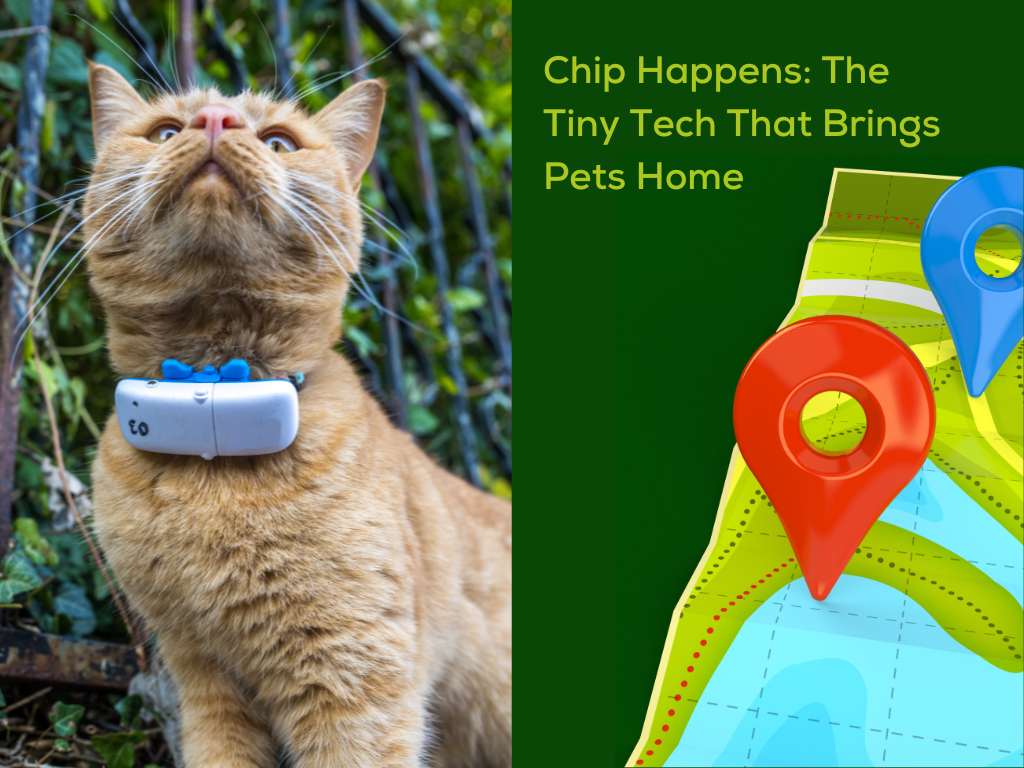
Pets can slip away in an instant: a gate left open, a loud firecracker, or an unfamiliar place can be all it takes. ID tags, microchips and GPS trackers work together to help a lost pet find the way home. This guide explains what each one does, how they differ, and what to do if your pet ever goes missing.
A collar with an ID tag is the first line of defence. Anyone who finds your pet can read it and call you straight away, with no scanner or app needed. Put your current phone number on it and check it regularly. Collars and tags can come off, which is why a backup helps.
Tips for a useful tag:
A microchip holds a unique ID number that is linked to your contact details. A shelter or clinic can scan it to find the owner. It is not a GPS, so it will not show where your pet is. If you are considering a microchip, speak to your veterinarian about it, and make sure your contact details on the registry are always up to date.
The most common reason a chip does not help is out-of-date details. Moved house? Changed your number? Update the registry the same week. A chip links your pet to you only as well as the record behind it.
Trackers attach to a collar and let you see your pet's location on a phone app. Some include boundary alerts and activity tracking. They need a charged battery and a phone signal, so they work best alongside an ID tag.
If you choose a tracker, make a habit of charging it on a set day each week, and check that the app is working before every outing. A dead battery does nothing for a lost pet.
Think of them as layers.
No single tool is perfect. Together, they cover each other's gaps.
A simple monthly check: look at the tag, test the tracker and confirm your registry details. It takes two minutes and could save you days of worry.
Prevention beats searching, but a plan keeps you calm if it happens. For a wider look at looking after a pet, visit our responsible pet parenting hub and our new pet parent hub.
No. A microchip stores an ID number that is read by a scanner. A GPS tracker shows live location through an app.
Yes. A visible tag lets anyone who finds your pet contact you straight away.
A current phone number is the most important thing. Keep the details short and easy to read.
That is a question for your veterinarian, who can explain the process and what is right for your pet.
Many trackers are designed for dogs or cats. Check the size, weight and fit of the device before you buy, and make sure the collar is safe for your pet.
By Team Stepevoli.