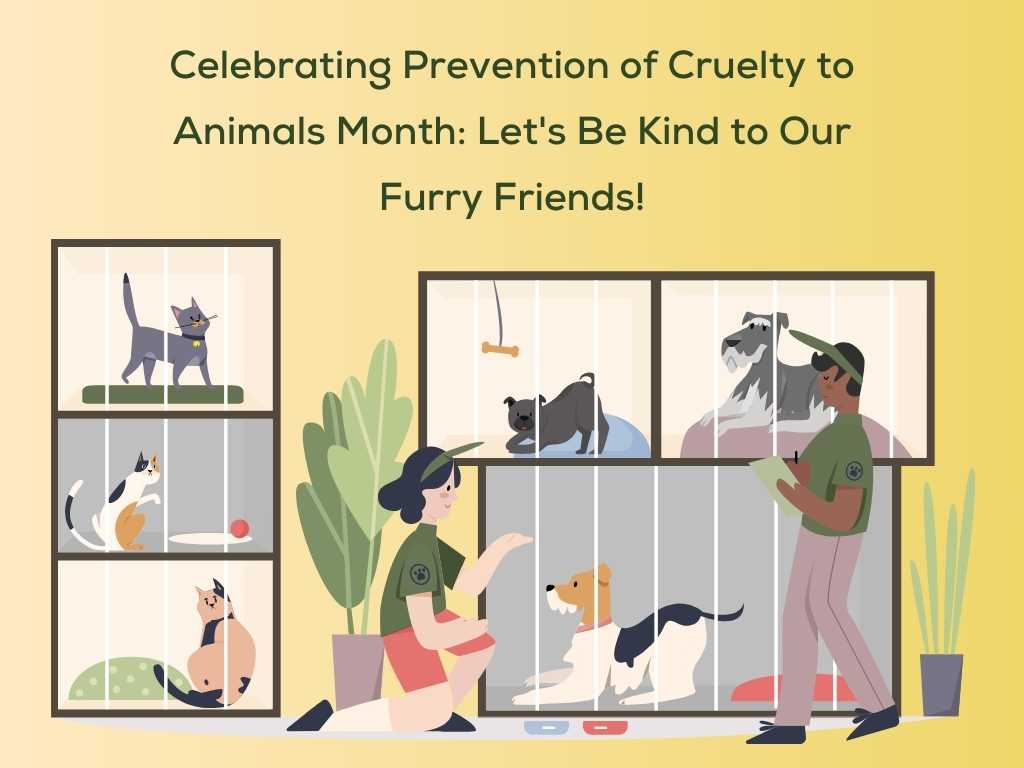
April is Prevention of Cruelty to Animals Month. You can help by adopting responsibly, volunteering at a shelter, donating supplies or money, and speaking up for animal protection. You do not need a lot of time or money to make a difference. Here are practical ways to be kinder to animals, this month and every day.
Start at home: be a responsible pet parent
Bringing a pet home is a lifelong commitment. Research first and be sure you are ready to give a pet the love, time and attention it needs. Pets are family, not accessories or gifts to be passed on when life gets busy.
Before you adopt, ask yourself a few honest questions:
- Can I commit to this animal for its whole life, including through a house move, a new job or a new baby?
- Does everyone at home agree?
- Do I have the time for daily exercise, play and company?
- Have I thought about who will care for my pet when I travel?
Our responsible pet parenting hub and our new pet parent hub can help you plan.
Keep your own pet safe and secure
Preventing cruelty also means preventing neglect and loss. Some simple, universal basics help:
- Never leave a pet in a parked car, even for a few minutes.
- Use a leash in public places and a secure carrier for travel.
- Put an ID tag with your current phone number on your pet's collar. Read more in our guide to tags, microchips and trackers.
- Do not tie a pet up and leave it alone for long periods.
If you have any worry about your pet's health, speak to your veterinarian.
Help animals without homes
-
Volunteer at a local shelter or rescue by walking dogs, socialising cats or helping with admin. Even a couple of hours a month helps.
-
Donate money or supplies to shelters and rescue groups. Small donations add up. Ask the group what they actually need before you buy.
-
Join fundraisers and online campaigns for animal welfare organisations.
-
Foster if your home and routine allow it. Fostering gives an animal a safe place while it waits for a permanent family.
-
Adopt. Many shelter animals and Indian street dogs (indies) are waiting for homes. Our post on the dangers of unethical breeding explains why adoption matters.
Be kind to community animals
India is home to many street and community animals. You can make life easier for them without taking big risks.
- Be calm and patient on the road. Slow down around animals and never throw things or shout at them.
- Teach children to stay gentle and respectful around animals they do not know.
- Support local groups that look after community animals, and share their work.
- Read about how cities are changing for the better, for instance in our post on Bengaluru's pet-friendly initiative for stray dogs.
What to do if you see cruelty
-
Stay safe. Do not put yourself in danger or confront someone aggressively.
-
Note the details. Write down the place, time and what you saw. If it is safe, take clear photos or a short video.
-
Contact the right people. Reach out to a local animal welfare organisation or an animal helpline in your city, and share your notes. If someone is in immediate danger, contact local authorities.
-
Follow up. Check back politely so the report does not get lost.
If you are unsure whether something counts as cruelty, it is still worth asking an animal welfare group.
Speak up
Sign petitions, write to lawmakers and raise awareness on social media. Animals cannot speak for themselves, so they need people to advocate for them. Share verified information and the work of genuine groups, and be careful not to forward unchecked rumours or distressing images without context.
Respect wildlife and the environment
Support conservation, cut down on plastic waste and be mindful of how your choices affect animals and their homes. Small habits, such as carrying a cloth bag, not littering on trails and keeping your distance from wild animals, all help.
Teach kindness early
Children learn kindness by watching adults. Let them help with a donation drive, watch how you treat your own pet, and talk about what animals need. Families who spend time with animals often find it builds empathy, as we explore in how horses contribute to child development.
Common mistakes to avoid
-
Buying on impulse. A cute puppy in a shop window is not a plan.
-
Giving up on a pet when it becomes inconvenient. Ask a trainer, a vet or an animal group for help first. Our post on early dog training can help with common behaviour worries.
-
Doing nothing because it feels too small. A single donation, share or hour of volunteering is not too small.
Frequently asked questions
When is Prevention of Cruelty to Animals Month?
It is observed in April.
How can I help if I cannot adopt?
Volunteer, donate, foster if you can, or share the word about adoption and animal welfare.
What counts as animal cruelty?
It includes deliberate harm and also neglect, such as leaving an animal without shelter, company or care. If you are unsure, ask a local animal welfare group.
Who should I contact if I see an animal being mistreated?
Start with a local animal welfare organisation or helpline in your city, and share what you noted. In an emergency, contact local authorities.
Can children take part?
Yes. Children can help with collection drives, make posters or simply practise gentle behaviour around animals. Always keep an adult involved.
By Team Stepevoli.